
Michelle T. Friedland

Profile

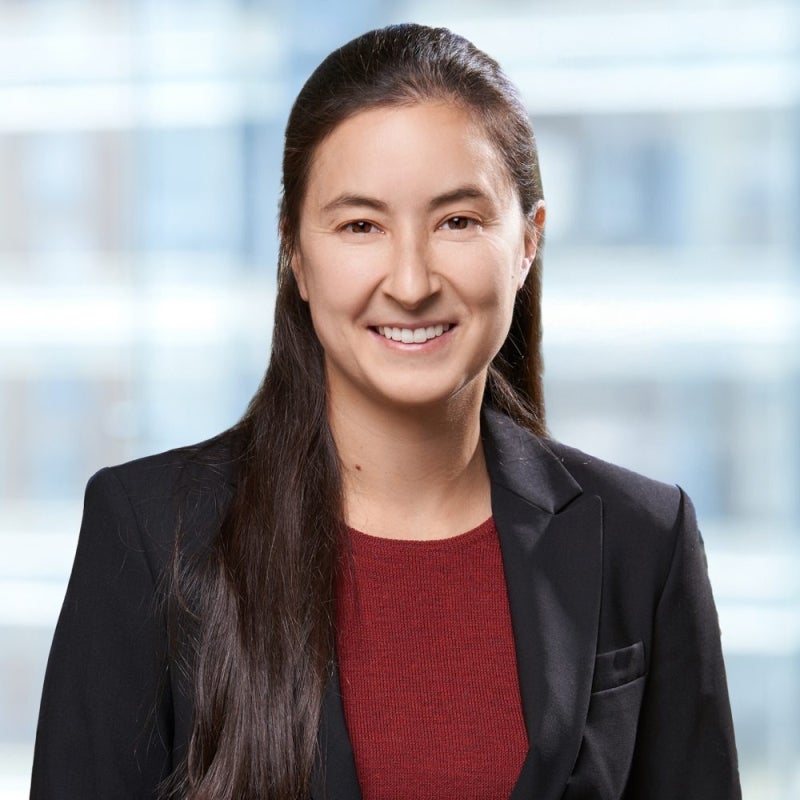
Michelle Friedland is a litigation partner in the San Francisco office of Munger, Tolles & Olson. Her practice focuses primarily on antitrust litigation, appellate matters, and constitutional and academic affairs litigation for higher education institutions. Recently, Ms. Friedland taught a course at UVA Law School on Constitutional Issues in Higher Education.

In addition to her litigation work, Ms. Friedland also maintains an active pro bono practice. In 2009, she received the American Civil Liberties Union of Southern California’s LGBT Award for her work on the challenge to Proposition 8. In 2006, she received the Wiley W. Manuel award for pro bono legal services, presented by the Board of Governors of the State Bar of California.

Ms. Friedland is co-chair of the Bar Association of San Francisco’s Amicus Committee and serves on the board of the Silicon Valley Campaign for Legal Services. She is also a member of the National Association of College and University Attorneys.

Prior to joining the firm in 2004, Ms. Friedland completed a two year lectureship at Stanford Law School, where she taught federal jurisdiction and environmental law. Before that, Ms. Friedland served as a law clerk to Justice Sandra Day O’Connor of the U.S. Supreme Court (2001-2002) and Judge David Tatel of the U.S. Court of Appeals for the D.C. Circuit (2000-2001).

Ms. Friedland received her undergraduate degree in ecology and population biology from Stanford University, where she was elected Phi Beta Kappa. After graduation, she studied political theory for a year at Oxford University on a Fulbright Scholarship and then returned to California, receiving her law degree from Stanford Law School and graduating second in her class. She also is a member of Order of the Coif. While in law school, Ms. Friedland won awards for her Law Review note and for receiving the highest grade-point average in her first-year class.

Key Representations

  • Solvay Pharmaceuticals as Respondent in the United States Supreme Court in FTC v. Actavis, Inc., et al., which concerns the antitrust standard applicable to settlements of patent litigation.
  • A state university, in its defense against Title VI and federal and state constitutional claims brought by students alleging that the university facilitated the creation of an anti-Semitic environment on campus by failing to prohibit protests against Israel. 
  • Abbott Laboratories, in:
    • obtaining a defense jury verdict in a 3-week trial on antitrust claims brought by GlaxoSmithKline, another of the world’s largest pharmaceutical companies, relating to Abbott’s repricing of the drug Norvir. The Oakland, Calif. jury rejected GlaxoSmithKline’s $571 million antitrust damage claim, which would have been subject to automatic trebling. 
    • defending against antitrust challenges to settlements of Hatch-Waxman patent suits against potential generic versions of AndroGel, before an MDL court.
  • A university hospital, in its defense against Confidentiality of Medical Information Act and other privacy claims related to an alleged breach of computer security. 
  • Equality California, as intervenor, in defense of California law prohibiting licensed mental health providers from engaging in sexual orientation change efforts on minors.
  • A state university system, in its defense against First Amendment challenges to its admission policies and prevailing at summary judgment on all claims, and then successfully defending that judgment on appeal and in opposing Supreme Court review. 
  • Berkshire Hathaway, in a successful trial in U.S. District Court to obtain a federal tax refund. 
  • A prisoner claiming civil rights violations, in briefing and argument before the U.S. Court of Appeals for the 9th Circuit. 
  • Equality California and several same-sex couples, in the challenge to Proposition 8 before the California Supreme Court.

Michelle Friedland is a litigation partner in the San Francisco office of Munger, Tolles & Olson. Her practice focuses primarily on antitrust litigation, appellate matters, and constitutional and academic affairs litigation for higher education institutions. Recently, Ms. Friedland taught a course at UVA Law School on Constitutional Issues in Higher Education.

In addition to her litigation work, Ms. Friedland also maintains an active pro bono practice. In 2009, she received the American Civil Liberties Union of Southern California’s LGBT Award for her work on the challenge to Proposition 8. In 2006, she received the Wiley W. Manuel award for pro bono legal services, presented by the Board of Governors of the State Bar of California.

Ms. Friedland is co-chair of the Bar Association of San Francisco’s Amicus Committee and serves on the board of the Silicon Valley Campaign for Legal Services. She is also a member of the National Association of College and University Attorneys.

Prior to joining the firm in 2004, Ms. Friedland completed a two year lectureship at Stanford Law School, where she taught federal jurisdiction and environmental law. Before that, Ms. Friedland served as a law clerk to Justice Sandra Day O’Connor of the U.S. Supreme Court (2001-2002) and Judge David Tatel of the U.S. Court of Appeals for the D.C. Circuit (2000-2001).

Ms. Friedland received her undergraduate degree in ecology and population biology from Stanford University, where she was elected Phi Beta Kappa. After graduation, she studied political theory for a year at Oxford University on a Fulbright Scholarship and then returned to California, receiving her law degree from Stanford Law School and graduating second in her class. She also is a member of Order of the Coif. While in law school, Ms. Friedland won awards for her Law Review note and for receiving the highest grade-point average in her first-year class.

Key Representations

  • Solvay Pharmaceuticals as Respondent in the United States Supreme Court in FTC v. Actavis, Inc., et al., which concerns the antitrust standard applicable to settlements of patent litigation.
  • A state university, in its defense against Title VI and federal and state constitutional claims brought by students alleging that the university facilitated the creation of an anti-Semitic environment on campus by failing to prohibit protests against Israel. 
  • Abbott Laboratories, in:
    • obtaining a defense jury verdict in a 3-week trial on antitrust claims brought by GlaxoSmithKline, another of the world’s largest pharmaceutical companies, relating to Abbott’s repricing of the drug Norvir. The Oakland, Calif. jury rejected GlaxoSmithKline’s $571 million antitrust damage claim, which would have been subject to automatic trebling. 
    • defending against antitrust challenges to settlements of Hatch-Waxman patent suits against potential generic versions of AndroGel, before an MDL court.
  • A university hospital, in its defense against Confidentiality of Medical Information Act and other privacy claims related to an alleged breach of computer security. 
  • Equality California, as intervenor, in defense of California law prohibiting licensed mental health providers from engaging in sexual orientation change efforts on minors.
  • A state university system, in its defense against First Amendment challenges to its admission policies and prevailing at summary judgment on all claims, and then successfully defending that judgment on appeal and in opposing Supreme Court review. 
  • Berkshire Hathaway, in a successful trial in U.S. District Court to obtain a federal tax refund. 
  • A prisoner claiming civil rights violations, in briefing and argument before the U.S. Court of Appeals for the 9th Circuit. 
  • Equality California and several same-sex couples, in the challenge to Proposition 8 before the California Supreme Court.